

COMMERCIAL & MULTI-UNIT

Commercial Painting Minneapolis Businesses Can Plan Around

★★★★★4.8 from 140+ Google Reviews

Commercial painting in Minneapolis, scheduled around your operating hours and phased by area so you never lose the whole floor at once.

Durahome Premium Logo Symbol

Book Your Free Estimate Today!

We’ll only use your contact details to follow up regarding your project.

Step 1 of 2: Contact Details50%
We get clear together on your goals.
Your cost is delivered in writing.
Local & Experienced in MSP.
Painting completed in days, not weeks.
4.8 Stars from 140+ reviews.
Quick Answer

How much does commercial painting cost in Minneapolis?

Commercial painting in Minneapolis is priced per project rather than per square foot, because access, height, phasing, and surface condition drive the cost as much as floor area does. Your free walkthrough produces one fixed written price covering prep, coatings, protection, and cleanup — and the number on that page is the number you pay. Bring your operating hours and access constraints to that walkthrough and they get built into the schedule.
Get Your Free Estimate
COMMERCIAL SERVICES

The Commercial Work We Take On

Three core services, plus the work that supports them. Whichever your building needs, the process behind it does not change.
Interior commercial painting
MINIMAL DISRUPTION

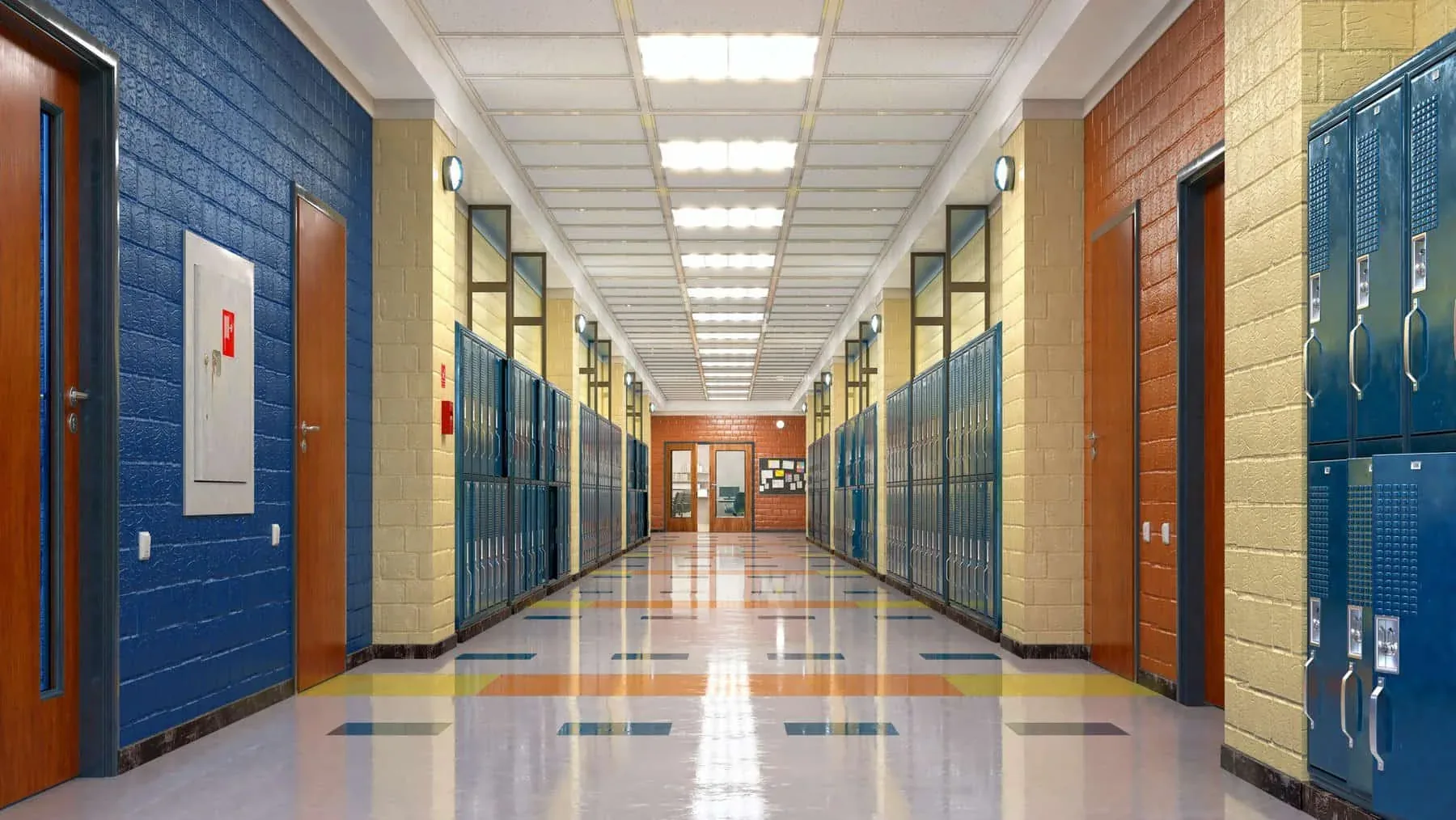
Interior commercial painting

Lobbies, corridors, suites, stairwells, break rooms, restrooms, and back-of-house. The work is phased so staff and customers are never sharing a working area with a crew, and every space is returned to working condition before the crew leaves for the day. Interiors are where traffic shows first — corridor walls and stairwells take shoulder scuffs, cart strikes, and hand contact that a residential hallway never sees, so the coating specified for them is chosen for scrub resistance rather than for looks alone.
See interior commercial painting →
Exterior commercial painting
MINIMAL DISRUPTION

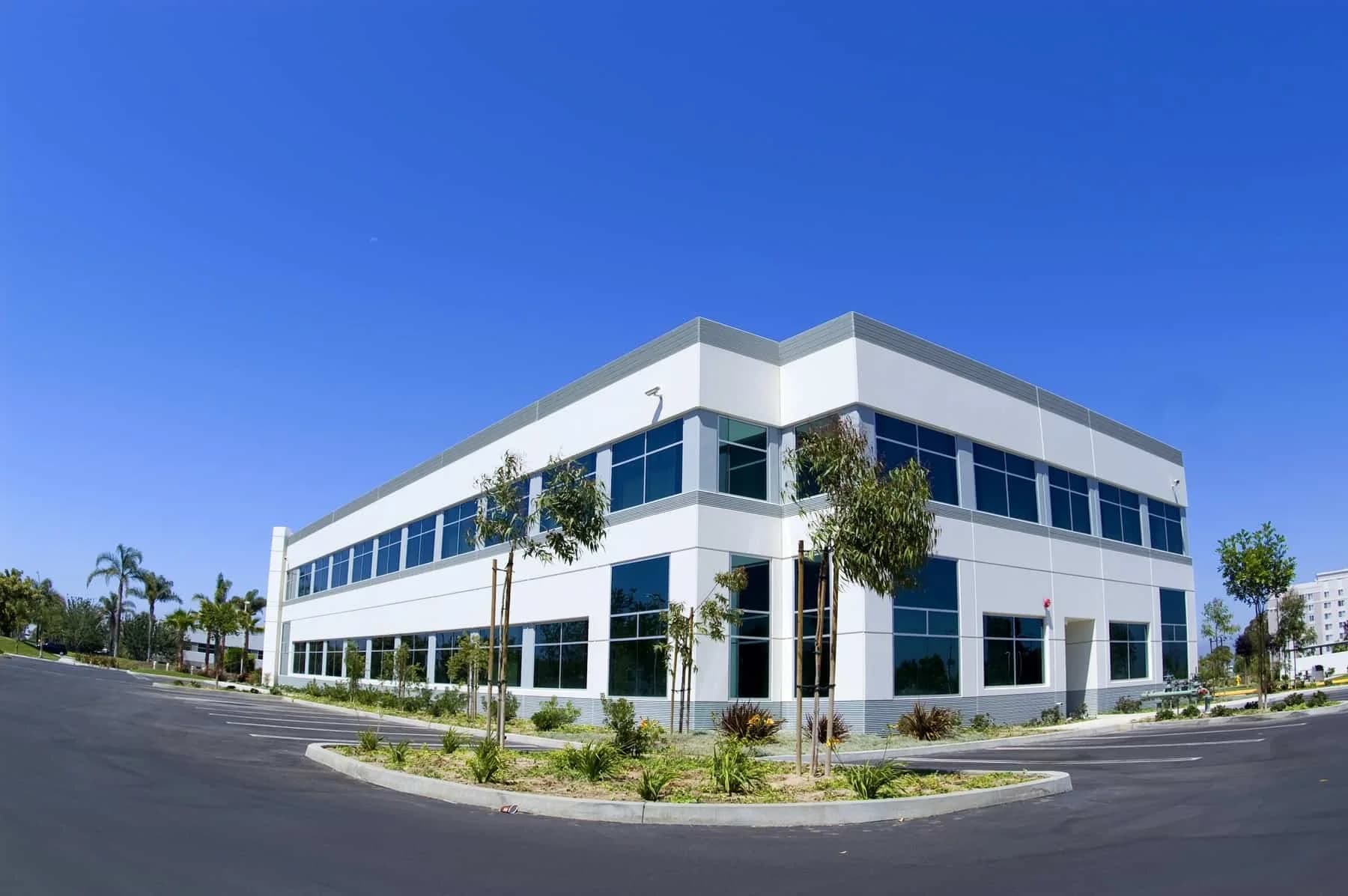
Exterior commercial painting

Building facades, storefronts, trim, doors, railings, service entrances, and parking structures. Prep is the whole job on a commercial exterior — Minnesota's freeze-thaw cycles find every unsealed seam, and a facade that was coated over dirt or failing paint will show it by the second spring. Exteriors also carry the building's first impression, which is why a tired storefront quietly costs a business more than the repaint would have.
See exterior commercial painting →
Commercial roof coating
REFLECTIVE BARRIER

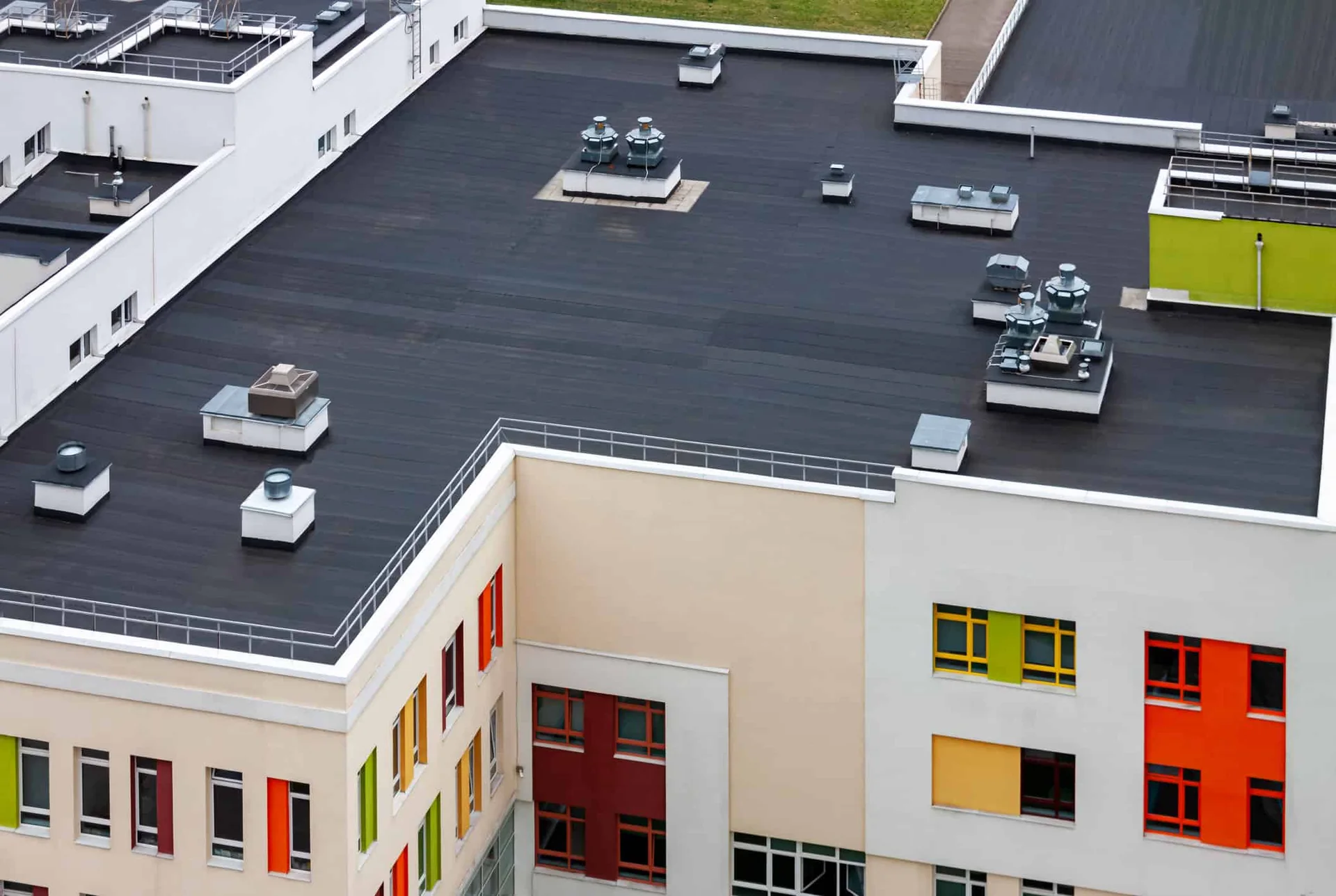
Commercial roof coating

A protective coating that extends the service life of a flat or low-slope commercial roof and reduces cooling load, at a fraction of the cost and disruption of a replacement. It is not a repair for active structural failure, and we will tell you plainly which one you are looking at rather than coating over a problem you will meet again in eighteen months.

See commercial roof coating →
WHAT CHANGES

Why a Commercial Project Is Not a Larger House

Plenty of painters will quote a commercial building using the same logic they use on a home. It is the most common reason a commercial project runs long, and it is worth understanding before you compare bids.

The building is occupied and earning while we work

A house can lose a room for a day. A lobby cannot lose a Tuesday. Everything about how a commercial project is sequenced follows from that single constraint — which areas come out of service, in what order, and for how long. The paint is the straightforward part; the sequencing is the work.

The surfaces are different, and they wear differently

Commercial interiors carry substrates a home rarely does: concrete block, metal door frames and jambs, structural steel, previously coated drywall in corridors that have been repainted four times over. Each one takes a different primer and a different finish, and getting that wrong is what produces peeling at the two-year mark.

The traffic is relentless

A residential hallway is walked by a family. A corridor in a multi-unit building is walked by everyone who lives there, plus their furniture, carts, bicycles, and deliveries. Coating selection has to answer that, which is why commercial specifications lean toward washable, scrub-resistant finishes even where a homeowner would choose a flat.

More people have to approve it

Homeowners decide together at the kitchen table. Commercial work runs through property managers, owners, boards, and sometimes tenants. That is why our estimate is itemized in language you can forward without translating, and why the schedule is documented before anyone arrives rather than agreed verbally on day one.

The consequences of running long are financial

On a home, an overrun is an inconvenience. On a commercial property it is lost trading days, unhappy tenants, and a manager fielding calls. We commit to start and end dates for that reason, and communicate a change before it lands rather than after.
SCHEDULING

Painting Scheduled Around Your Operating Hours

The single reason commercial painting projects go wrong is not the finish — it is the disruption. A crew that turns up at 9am on a Tuesday and closes half a lobby costs a business far more than the paint did. So the schedule gets agreed before the price is fixed, not after.

Tell us your hours and we will work around them

Bring your operating constraints to the walkthrough — trading hours, tenant obligations, access rules, delivery windows, any deadline you are working toward — and they get built into the schedule and the written price rather than negotiated later.

Phased by zone

Larger buildings are sequenced area by area so you never lose a whole floor at once. Which zone comes first, how long it is out of service, and when it returns is agreed with you before day one rather than improvised on site.

One point of contact

A project manager owns your job and communicates changes to timing, access, or scope before they become a problem for your tenants or staff. That is the same group-text model Durahome runs on residential work — the production manager, the estimator, the crew foreman, and you, in one thread.

The same crew, not an agency roster

Around 90% of Durahome's painters stayed with the company last year, and most carry close to a decade of experience. In a secure or occupied building, who is actually in the space is not a trivial question, and a rotating roster of unfamiliar faces is a real cost to a property manager even when the finish is fine.
PREP

What Prep Means on a Commercial Building

Prep is most of the labor and all of the durability. On a commercial property it also varies more than it does on a house, because the substrates vary more. Here is what it actually involves, surface by surface.

Previously coated drywall — corridors, suites, stairwells

Wash to remove hand oils and grime, fill and sand every dent and cart strike, spot-prime the repairs so they do not flash through the finish, then coat. Corridors that have been repainted several times often carry a build of incompatible coatings, and where that is the case it has to be addressed rather than covered.

Concrete block

Block is porous and will drink a finish coat unevenly unless it is filled first. A block filler goes on to level the surface profile, then the finish system over it. Skipping the filler is how a painted block wall ends up patchy and absorbent, and it is the most common shortcut on a low bid.

Metal — door frames, jambs, railings, structural steel

Any rust is taken back to sound material, the surface is degreased, and a metal-appropriate primer goes on before the finish. Coating over active rust simply postpones the same conversation, and on railings and service doors it fails visibly and early.

Exterior facades — masonry, stucco, EIFS, siding

Pressure washing to strip chalking, mildew, and grime, then repair of failed sealant at every joint and penetration. Minnesota's freeze-thaw cycles work moisture into open seams and then expand it, so sealant is not cosmetic on a commercial exterior — it is what keeps water out of the wall.

Everything gets protected first

Floors, fixtures, equipment, stock, signage, and landscaping are covered before a single surface is touched. On an occupied building this is not courtesy, it is the difference between a project people barely notice and one that generates complaints.
PRODUCTS

How the Coating Gets Specified

We use Sherwin-Williams commercial systems, selected for the substrate and the traffic level rather than picked off a shelf. The specification answers four questions about your building.

What is the surface?

Block, metal, drywall, masonry, and previously coated surfaces each need a different primer to bond properly. The primer is the decision that determines whether the finish holds.

How hard is the area used?

A back-of-house storeroom and a main corridor do not need the same product. High-traffic areas get washable, scrub-resistant finishes so cleaning does not burnish the coating off the wall within a year.

What is the environment?

Restrooms, kitchens, and wash-down areas need moisture and mildew resistance. Exteriors need a system rated for freeze-thaw movement and UV. A roof coating is chosen for reflectivity and elongation, not color.

What has to match?

If you have a brand standard, we work to it. Bring a color code, a specification sheet, or a physical sample and we will match it across every elevation and every phase of the project, so the building reads as one thing when the staging comes down.

Applied to Film Thickness

Film thickness is applied to specification rather than "until it looks covered." That distinction is invisible on the day and decisive at year four, and it is one of the real differences between two bids that look similar on paper.
THE LOCAL FACTOR

What Minnesota Does to a Commercial Exterior

This climate is genuinely hard on a building envelope, and commercial exteriors take it worse than houses do because they present more surface, more joints, and more penetrations.

Freeze-thaw cycles

Freeze-thaw cycles are the main event. Water finds an open sealant joint, freezes, expands, and widens it — then the next thaw lets more water in. A facade with failed sealant does not fail gradually; it fails at the joints and then everywhere the joints were protecting. This is why sealant replacement sits inside our exterior scope rather than arriving later as an extra.

Snow load

Snow load sits against the base of walls, service doors, and loading areas for months, keeping those surfaces wet long after the air has dried. Ground-level bands take the hardest wear on almost every commercial building in the metro, and they are the first place an under-prepped coating gives up.

Summer swings

Summer swings the other way. Humidity can move sixty points in a day, which affects cure times and is one reason we will not coat a damp surface to keep a calendar. UV load is heavier here than people expect — off snow in February and off water in July — and south and west elevations age visibly sooner than north ones on the same building.

Flat and low-slope roofs

Flat and low-slope roofs carry all of this at once, which is what makes a roof coating worth considering before a replacement becomes the only option left.

Seasonal limitations

The practical consequence: exterior commercial work runs roughly May through early October here, the calendar fills through the season, and the buildings that get the slot they wanted are the ones that called in winter. Interior commercial work runs year-round.
HOW IT RUNS

From Walkthrough to Final Sign-Off

Consultation & Quote

Establishing price, scope, and parameters

01

Free walkthrough

We meet you at the property, read the surfaces, and understand your operating constraints — trading hours, tenant obligations, access rules, and any deadline you are working to.
02

Fixed written estimate

One price covering prep, protection, coatings, cleanup, and the schedule, itemized so you can take it to an owner or a board without translating it.
03

Schedule and access agreed

Phasing, hours, access arrangements, key or code handling, and the sequence, documented before anyone arrives.

Preparation & Painting

Minimizing disruption, maximizing hold

04

Protection first

Floors, fixtures, equipment, stock, and signage covered before a single surface gets touched.
05

Prep

Washing, scraping, patching, sanding, rust treatment, sealant, and priming. On exteriors this is most of the labor and all of the durability.
06

Coating

Sherwin-Williams commercial systems applied to a specified film thickness, with the areas still in use kept separated from the work.

Shift Reset & Closeout

Returning the space to operational use

07

Reset at the end of each shift

The space is returned to working condition before the crew leaves, so you open as normal.
08

Walkthrough and warranty

We inspect, then walk it with you. Anything flagged is handled inside the 30-day touch-up window, and the work carries a written warranty.
Twin Cities High Bridge Graphic
NO GUESSWORK

What Your Estimate Spells Out

Change orders are the standard complaint about commercial painting. The defense against them is an estimate detailed enough that there is nothing left to discover. Yours itemizes:

by area and substrate, so there is no argument later about whether the stairwell was included.

NO GUESSWORK (09)
WORK SCOPE • 01 OF 09📜

Every surface in scope

by area and substrate, so there is no argument later about whether the stairwell was included.

Written Guarantee Included Zero Ambiguity Promise
If we misjudged the scope, that is ours to absorb. The only thing that changes the figure is you adding scope, and that gets quoted and approved in writing before anyone touches it.
COST DRIVERS

What Actually Drives a Commercial Painting Estimate

Commercial work is quoted per project rather than off a rate card, because floor area is only one of the inputs and rarely the decisive one. These are the factors that move a number most.

Surface condition

The largest single variable. A sound building needs washing and coating. One with failed sealant, rusted frames, or a corridor carrying incompatible layers of old paint carries days of prep before a finish coat is opened.

Access and working height

Ground-floor retail and a four-story facade are different projects at the same square footage. Lifts, staging, and fall protection all sit in the number.

Phasing

Painting a building in six sequenced zones around your trading hours takes longer than painting it empty. That is usually the right trade, and it is priced honestly rather than hidden.

Substrate mix

A building that is drywall throughout prices differently from one mixing block, metal, and masonry, because each substrate carries its own primer and its own prep sequence.

Coating specification

A high-traffic scrub-resistant system costs more per gallon than a builder-grade finish and lasts several times as long in a corridor. We will tell you where the upgrade pays for itself and where it does not.

Color change

Going from a dark existing color to a light one takes an extra coat. It is a straightforward thing to plan for and an unwelcome thing to discover mid-project.
THE DURAHOME STANDARD

What Makes a Commercial Painter Worth Rebooking

Why property managers rehire Durahome across Twin Cities commercial portfolios.

The price holds

Change orders are the standard commercial painting complaint. Ours is a fixed written figure — if we misjudged the scope, that is ours to absorb, not a variation you have to justify upward to an owner.

You are not the project manager

Your dedicated project manager handles crew logistics, communicates changes before they land, and is directly reachable. Property managers already have enough vendors to chase.

Real prep, documented

Crews document progress through CompanyCam, so there is a photographic record of the prep stage — useful when you need to show an owner or a board where the money went.

Full insurance

General liability and workers' compensation on every crew member.

The same crew, not a rotating roster

Around 90% painter retention last year, most crew close to ten years' experience.

Nothing is finished until you have walked it

We inspect through your eyes first, then walk it with you, and the 30-day window afterwards covers anything that only shows once the space is back in normal use.
Durahome Guarantee Stamp Seal
IN THEIR WORDS

What Twin Cities Neighbors Say

4.8 stars across 140+ Google reviews, earned over 2,500-plus projects since 2016.

DPP Quality Seal Watermark
★★★★★

“Joe did a very good job of keeping us posted on the timing of the phases of our siding repair and house painting project. When there were delays, he explained why and gave updated estimates for completion. Jorge managed the workers well and ensured the work was completed according to agreed upon requirements. The work was completed in a timely manner with high quality and with good attention to detail. We would recommend Durahome to anyone needing siding and/or painting work done on their home.”

JN
Jim Nieling
Verified Google Review
Google
DPP Quality Seal Watermark
★★★★★

Honest and accountable. I really appreciated that Durahome Painting Plus took my feedback seriously and demonstrated a clear willingness to stand behind their work. Their responsiveness and follow-through showed that they genuinely value their customers’ experiences. Their paint crew was kind, respectful, and easy to have on my property.”

TM
Tatiana Meisenheimer
Verified Google Review
Google
DPP Quality Seal Watermark
★★★★★

“Durahome did an outstanding job of the exterior of our house. From start to finish they always contacted us and provided excellent customer service. They were reasonably priced, and would highly recommend their services. The quality and service of the painting project was above and beyond our expectations. Looks like a brand new house. Thank you Durahome.”

JH
Jacqueline Hed
Verified Google Review
Google

Proud to maintain a 4.8-star rating on Google across the Twin Cities.

COVERAGE AREAS

Commercial Painting Across the Twin Cities

Durahome is a local company, and we work commercial interiors and exteriors throughout Minneapolis, St. Paul, and the surrounding suburbs — Bloomington, Eden Prairie, Maple Grove, Woodbury, Eagan, Plymouth, Richfield, Roseville, and the rest of the metro. Same crews as the residential side, same standard, same written price.

Being local matters more on commercial work than it sounds. A warranty is only useful if the crew can come back, and a schedule built around your trading hours only holds if the people keeping it are working the same metro every week rather than driving in to it.

If your property is in the 612, 651, 763, or 952 area codes, we are already working nearby.
100% Twin Cities LocalExperienced & dedicated crews
Twin Cities High Bridge Graphic
Exterior Painting Cost Guide
FREE PLANNING RESOURCE

Download Free Exterior Painting Cost Guide

Real Twin Cities pricing ranges, surface preparation standards, and labor breakdowns before you book.

COMMON QUESTIONS

Commercial Painting Questions

Clear answers for property managers and business owners planning commercial painting in Minneapolis.

View All 28+ FAQ Categories & Answers →
COMMERCIAL PAINTING, TWIN CITIES

Get a Fixed Commercial Estimate

A free walkthrough, a written price your owner or board can read, and a schedule agreed before the work starts. No change orders, no disruption you did not plan for.

THE PROCESS

The Estimate Path

01

Request Online

Fill out our simple 2-step estimate form (takes under 60 seconds).

02

No-Surprise Guarantee

Receive a clear, written proposal with zero hidden fees or surprises.

03

Enjoy Your Finish

Our experienced crews apply weather-resistant coatings selected for Minnesota conditions.
Twin Cities High Bridge Graphic