

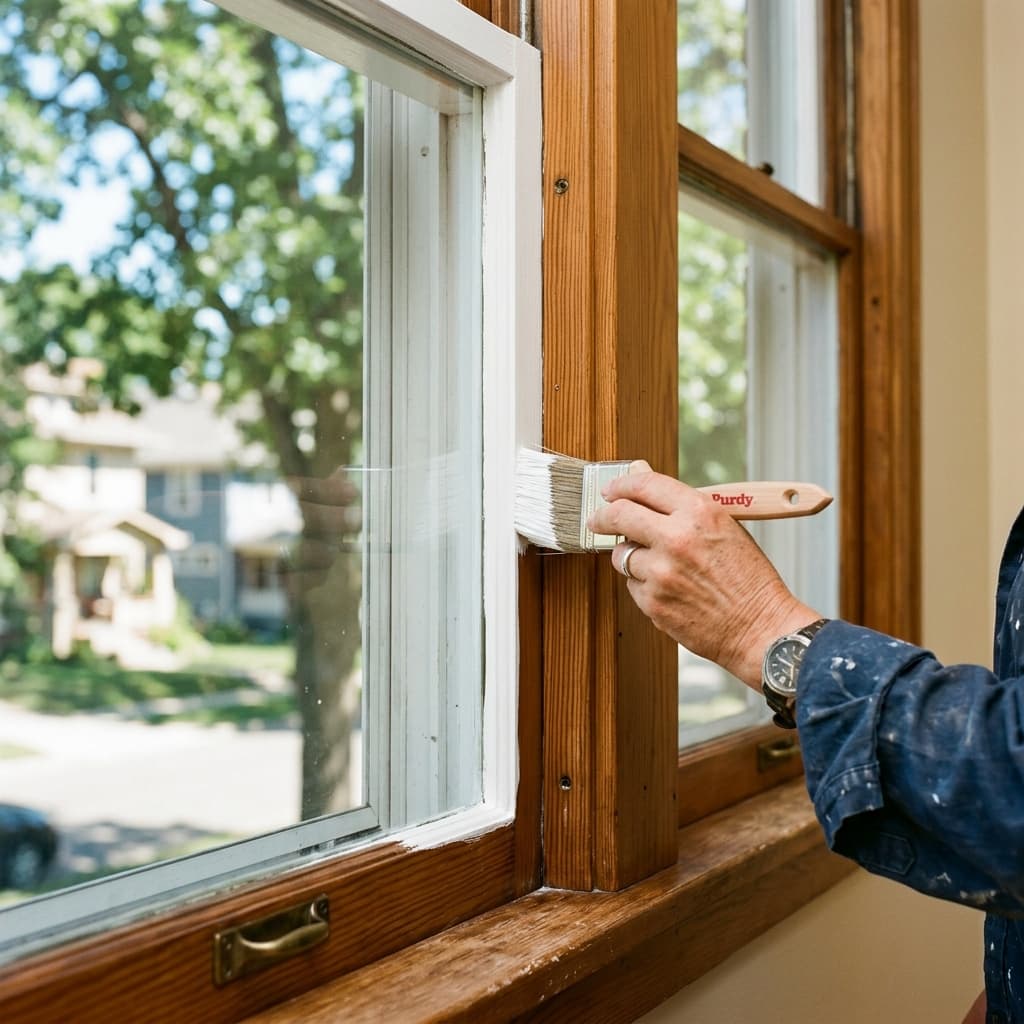
Learning how to repaint a window means treating it as three separate jobs, not one. The sash holds the glass and moves. The frame sits still and takes the weather. The trim is the finish carpentry that ties the window to the wall. Each surface asks for its own prep, its own primer, and sometimes its own sheen.
Most DIYers underestimate how much of this project is scraping and sanding rather than brushing on color. A window that looks like a quick refresh from the curb often has three or four old paint layers, a few soft spots in the wood, and hardware that has not been off in years. None of that shows up until you start.
Key Takeaways
What Repainting a Window Actually Involves?
Learning how to repaint a window means treating it as three separate jobs, not one. The sash holds the glass and moves. The frame sits still and takes the weather. The trim is the finish carpentry that ties the window to the wall. Each surface asks for its own prep, its own primer, and sometimes its own sheen.
Most DIYers underestimate how much of this project is scraping and sanding rather than brushing on color. A window that looks like a quick refresh from the curb often has three or four old paint layers, a few soft spots in the wood, and hardware that has not been off in years. None of that shows up until you start.
Check for Lead Paint Before You Start
If your home was built before 1978, assume the existing paint contains lead until you know otherwise. This matters most on windows, since sanding and scraping a sash or frame is exactly the kind of work that creates lead dust.
Many homes across Minneapolis, St. Paul, and the older inner-ring suburbs fall into this window. Test before you scrape or sand anything, and follow lead-safe containment if the test comes back positive. The EPA recommends homeowners hire a lead-safe certified contractor for renovation and repair work in pre-1978 homes, and offers separate guidance for anyone choosing to do the work themselves. For local context on which Twin Cities housing stock is most likely affected, see testing for lead in paint in Minnesota.
Gather the Right Materials for Painting Wood Windows
Wood is the most common window material in older Twin Cities homes, and it is also the most forgiving to paint correctly if you use the right products for each surface.
| Surface | Primer | Topcoat | Tool |
|---|---|---|---|
| Sash (moving frame around the glass) | Oil-based or acrylic bonding primer | Semi-gloss or gloss exterior/interior latex | 1.5 to 2 inch angled sash brush |
| Frame (fixed casing, stationary) | Same primer as sash if bare wood is exposed | Match sash sheen for a consistent look | Angled sash brush |
| Trim (molding where the window meets the wall) | High-hiding primer on bare or repaired wood | Semi-gloss latex, slightly darker than field color is common | 2 to 2.5 inch angled brush |
A glossier sheen on window surfaces is not just a style choice. Gloss and semi-gloss finishes resist grime and wipe clean more easily than flat paint, which matters on a surface that collects condensation and gets touched every time the window opens.
Prep the Window Before Any Paint Goes On
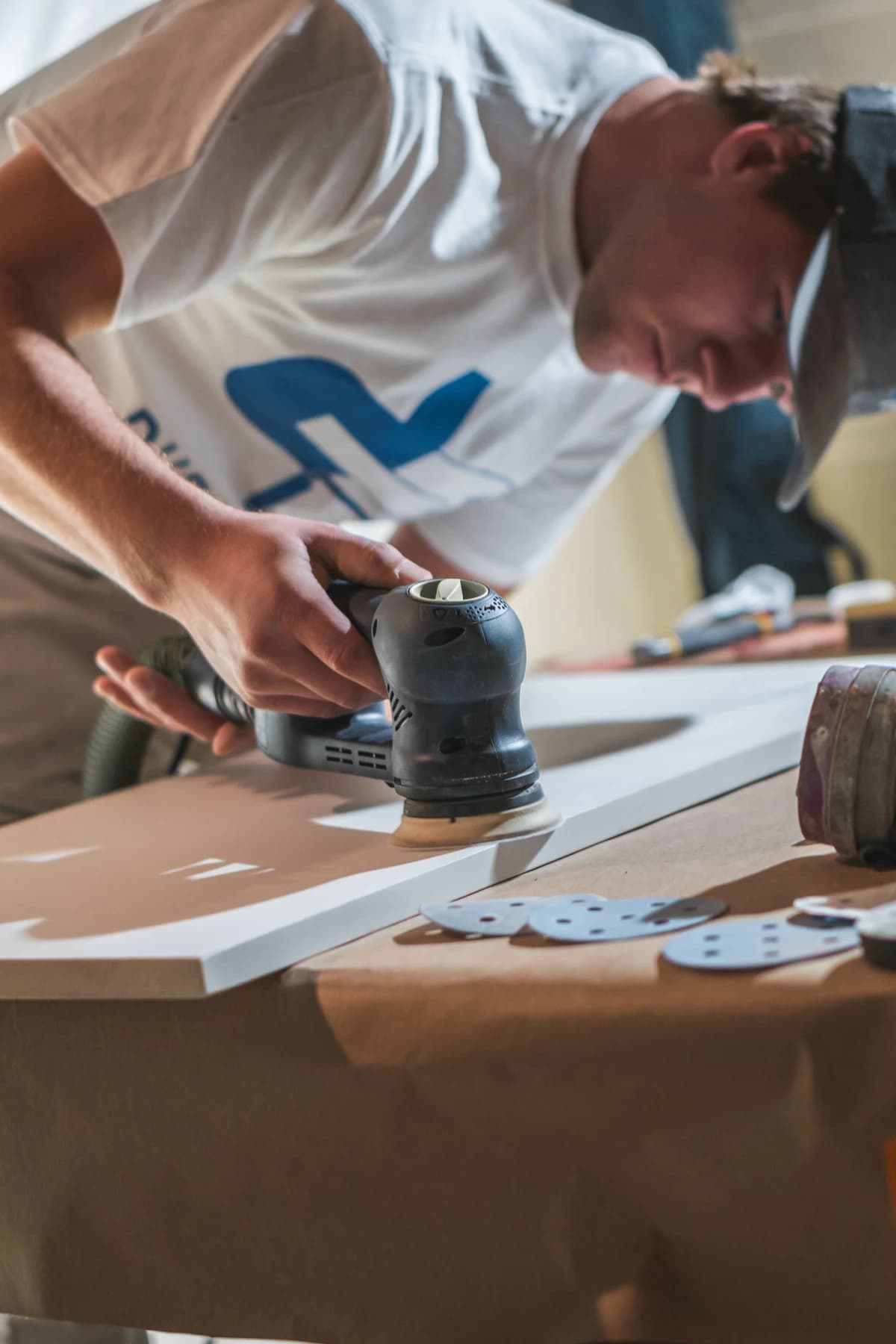
The paint job is only as good as what happens before the brush comes out. Scrape every loose or peeling area back to sound wood or sound existing paint. Sand the edges smooth so the new coat does not telegraph every old ridge, then wipe the surface down so dust does not end up baked into the finish.
Caulk any open seams between the frame and the trim before you prime. This step gets skipped constantly, and it is the difference between a window that seals against Minnesota's winter air and one that does not.
Removing the Sash (If Yours Comes Out)
Many double-hung and casement windows allow the sash to come out and rest on sawhorses, which makes painting faster and far more controlled than working in place. Pivot-style double-hung sashes usually release with a twist. Older double-hung windows held in by wood stops are tougher to remove and may not be worth the extra time unless you plan to strip the sash completely.
Protecting Glass, Hardware and Weather Stripping
Remove latches, sash locks, and any hardware you can unscrew rather than painting around it. Painted-over hardware is one of the fastest ways to make a careful paint job look rushed. Cover weather stripping and window tracks with tape or a putty knife held flush against them as you paint, since paint buildup in the tracks is what causes windows to stick shut once everything dries.
Best Time to Repaint Windows in Minnesota
Exterior window painting in the Twin Cities has a real season. Most paints need surface and air temperatures between roughly 50 and 85 degrees Fahrenheit to cure correctly, which narrows the practical window to late spring through early fall for outdoor sash and trim work.
Minnesota's humidity swings during the shoulder seasons also stretch cure times beyond what the label promises, especially for interior latex paint on a sash near a leaky old seal. And any joint you caulk but do not seal before winter is a joint that lets freeze-thaw cycling work paint loose over a season or two. For a fuller breakdown of the right months to schedule exterior work, see the best time to paint exterior surfaces in Minnesota.
How to Repaint Window Trim, Step by Step?
Follow these steps for a clean, long-lasting finish on window trim:
Prime bare or repaired wood: Skip this step only if the existing latex finish is sound and you are not changing color dramatically.
Cut in with an angled sash brush: Start at the top of the sash or trim and work down, keeping a wet edge so brush strokes blend.
Paint horizontals before verticals on any sash with a grid or muntins, so strokes running with the grain cover the ones running across it.
Let the first coat dry fully, then apply a second coat for even coverage and a durable finish. Check the can for exact dry and recoat times.
Reinstall hardware and reopen the window once the paint has cured, working the sash gently a few times so it does not seal itself shut as the paint finishes drying.
When This Job Is Bigger Than a Weekend?
A single window with sound wood and one coat of old paint is a reasonable weekend project. Rotted sash corners, glazing that needs to be replaced, lead paint that tests positive, or trim work across an entire house are a different scope entirely, and pretending otherwise usually means redoing the work within a year or two.
Durahome would rather tell you that honestly than sell you paint and wish you luck. If the scope has grown past a Saturday, see how professional painting compares to DIY for a clearer read on where that line sits, or start with Durahome's exterior house painting service for a free estimate and a written scope.
One Group Text: the production manager, owner, estimator, and crew foreman are in one thread with you from day one.
The Same Crew: around 90% painter retention year over year, with most painters carrying close to a decade of experience.
Sherwin-Williams: premium products used throughout every project, including trim and sash work.
2-5 Year Written Warranty: scaled to the scope of the project, so if something comes up, Durahome comes back.
Durahome estimates on the high side over the phone and often comes in lower once a project manager has actually walked the property. The written estimate is exact, and it is always free. See current exterior painting cost ranges for the Twin Cities for a sense of where a full repaint typically lands.
A Window Worth Opening Again
A repainted window should do two things: look sharp from the street and still slide open without a fight. Get the prep right, use the right primer and sheen for wood, and respect Minnesota's short painting season, and a single window or a whole house of trim will hold up for years.
If the project has grown past what a weekend allows, request a free estimate from Durahome and get an honest read on the scope before anything gets scraped.
Frequently Asked Questions
How long does window paint take to dry in Minnesota?
Latex paint is usually dry to the touch in about an hour and ready for a second coat in four hours under normal conditions, but Minnesota's humidity swings during spring and fall can stretch that window. Oil-based paint typically needs six to eight hours between coats.
Do I need to prime wood windows before painting?
Yes, on any bare or repaired wood. If the existing coat is sound latex and you are not changing color significantly, priming is optional.
Can I paint over old paint without stripping it first?
Only if the old paint is fully adhered and not peeling or flaking. Any loose paint has to be scraped and sanded back to sound material first, or the new coat fails within a season.
Should window trim be satin or semi-gloss?
Semi-gloss is the more durable, easier-to-clean choice for both interior and exterior trim, since it resists moisture and grime better than a flatter sheen.
What does it cost to hire a painter for exterior trim in the Twin Cities?
Pricing depends on how much trim is in scope and how much prep the wood needs. See the exterior painting cost guide for current Twin Cities ranges, or request a free estimate for an exact number.