

Fresh paint is supposed to look clean and even. If yours has come out looking foggy, milky, or streaked instead, that's not your imagination, and it's not always a sign the paint job failed. Foggy paint is almost always a moisture problem, either in the air while the paint was applied or trapped inside the film as it cured. At Durahome Painting Plus, a locally owned Twin Cities painting company, this is exactly the kind of weather-driven defect that shapes when and how a job gets scheduled in the first place.
This guide walks through what a hazy paint finish actually is, the two most common causes, and why Minnesota's climate makes the timing matter more here than in most parts of the country.
Key Takeaways
What a Foggy Paint Finish or Hazy Paint Finish Actually Is
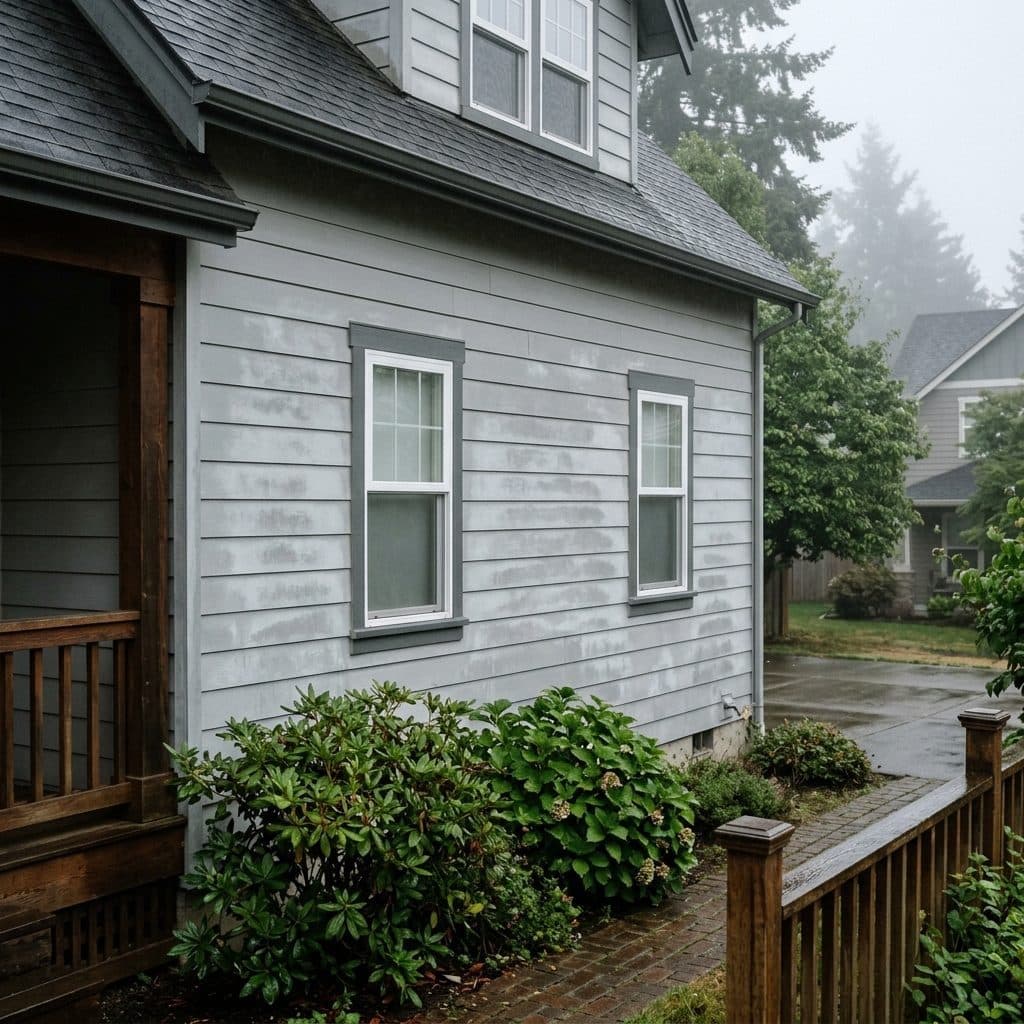
A foggy paint finish looks cloudy, milky, or streaked instead of smooth and even. It can show up right after the paint dries, or it can appear days later as the film fully cures. The look varies: sometimes it's a faint white haze across the whole surface, and sometimes it's brown or amber streaking concentrated in one area.
Both versions come down to the same root issue: water that should have evaporated cleanly out of the paint got trapped or interfered with the drying process instead. What differs is where that moisture ends up and which ingredients it carries with it, which is why a hazy paint finish has two distinct explanations rather than one.
Surfactant Leaching: The Most Common Cause of Cloudy Paint
Surfactants are the ingredients in latex and acrylic paint that help it flow smoothly and level out as it's applied. During normal drying, they stay in the film. In high humidity or when dew settles on a fresh coat overnight, those surfactants get pulled to the surface by the moisture and left behind as a brown, white, or slightly shiny residue once the water evaporates.
This is the most common cause of cloudy paint on exterior latex, and it's the reason a wall can look fine the evening it's painted and streaked the next morning. It's cosmetic rather than structural. In most cases, the residue can be rinsed off with plain water once the paint has fully cured, though a stubborn case sometimes needs a light scrub.
Paint Blushing and Blooming: When Moisture Gets Trapped in the Film
Blushing is a different mechanism. Instead of surfactants rising to the top, moisture gets trapped inside the paint film itself while it's still curing, most often when humidity is high and the solvent evaporates faster than the moisture can escape. The result is a milky, opalescent haze rather than a streaky residue, and it's more common on enamels, trim paints, and cabinet finishes than on flat wall paint.
Blooming is closely related. Once the trapped moisture reaches the surface and evaporates, it can leave behind a sticky film that dries into the same kind of hazy, whitened appearance. Both are examples of moisture-related paint problems that trace back to conditions at the time of application, not a flaw in the product itself.
Weather Conditions for Exterior Painting That Cause Foggy Paint
Weather conditions for exterior painting matter because paint needs a specific window to cure correctly. Push outside that window in either direction and haze becomes far more likely.
Temperature: Too Hot, Too Cold, or Too Close to Freezing
Most latex and acrylic exterior paints are formulated to be applied between roughly 50°F and 90°F, with several hours above freezing afterward for the film to set. Paint applied too close to freezing can crystallize before it cures, leaving a hazy, uneven finish. On the other end, painting a wall that's baking in direct sun can cause the surface to skin over before the paint underneath has finished drying, trapping moisture and producing the same milky look from a different direction.
Humidity and Dew Point
High humidity slows evaporation to a crawl, which gives surfactants more time to migrate to the surface and gives trapped moisture more time to disrupt the film. Professional crews watch dew point rather than just the forecast temperature, since a wall that looks dry can still have moisture condensing on it once the sun goes down and the air cools.
Rain and Timing After Application
Rain within the first day of application is the most direct cause of a ruined finish, but even morning dew on a wall painted late in the day can produce the same fogging effect. Surfaces need to be fully dry before painting begins and need a clear stretch afterward for the film to set undisturbed.
Why Minnesota's Climate Makes This More Common?
Minnesota's swing from a humid summer to an early, hard fall gives exterior paint a narrower window than most of the country gets. The National Weather Service's Twin Cities office places the normal first fall freeze in the first ten days of October, and a coat of exterior paint applied too close to that date can be caught mid-cure by a cold snap before it ever fully sets.
That's a real part of why Durahome schedules exterior work from May through early October rather than stretching the season further. It's also why the freeze-thaw cycling the Twin Cities sees roughly thirty times a year matters beyond the winter months. A wall that cured properly the first time holds up to that cycling far better than one that was rushed through a marginal weather window.
Will Foggy or Hazy Paint Clear Up on Its Own?
Often, yes. Light surfactant leaching frequently rinses off on its own with the next rain, or with a gentle hose-down once the paint has fully cured, typically within a few weeks. Mild blushing can also clear as the film finishes curing and any remaining trapped moisture finally escapes.
Haze that's still visible a month or more after painting, or that comes back after being cleaned, usually points to a deeper moisture issue rather than a temporary curing effect. At that point, it's worth having a professional take a look rather than continuing to wait it out.
How Professional Painters Prevent Foggy Paint Before It Starts?
The most reliable fix for foggy paint is not painting into the conditions that cause it. That's the reasoning behind scheduling exterior work within a defined season, checking dew point and surface temperature before a crew starts rather than just glancing at the forecast, and building in enough buffer after a coat goes on for it to cure without interruption.
It's also why a written estimate matters beyond just the price. A real estimate accounts for a home's sun exposure, shade patterns, and the surfaces involved, all of which affect how much margin a project actually has against Minnesota's weather. Book a free estimate and get a schedule built around conditions that will let the paint cure the way it's supposed to, not just a date on a calendar.
Getting a Finish That Stays Clear, Not Cloudy
A foggy or hazy finish is frustrating to look at, but in most cases it's a fixable, weather-driven issue rather than a sign of bad paint. The real fix starts before a brush ever touches the wall, with timing that respects what the paint and the weather both need. If you're seeing haze that isn't clearing up, or you're planning a project and want it scheduled around conditions instead of a deadline, contact Durahome Painting Plus for a written estimate.
Frequently Asked Questions
Why does my paint look foggy or hazy after drying?
It's almost always a moisture issue: surfactant leaching pulls ingredients to the surface as the film dries in humid conditions, or blushing traps moisture inside the film itself. Both produce a cloudy or milky look rather than a smooth, even finish.
What's the difference between surfactant leaching and paint blushing?
Surfactant leaching leaves a brown or white residue on the surface and is common on exterior latex. Blushing traps moisture inside the paint film itself, producing a milky haze, and shows up more often on enamels and trim finishes.
Will hazy or cloudy paint go away on its own?
Light cases often clear with the next rain or as the paint finishes curing over a few weeks. Haze that persists longer than that, or returns after cleaning, is worth having a professional evaluate.
Can painting in cold weather cause a foggy finish?
Yes. Paint applied too close to freezing can crystallize before it cures, which is one reason exterior painting has a defined season rather than running year-round in a cold climate.
What's the best weather for exterior painting in Minnesota?
Mild, stable temperatures with moderate humidity and no rain in the forecast for at least a day afterward. That's part of why Durahome schedules exterior work from May through early October.
Does humidity affect interior paint too, or just exterior?
Both. Bathrooms, kitchens, and other high-moisture rooms can show the same surfactant leaching or blushing on interior trim and cabinet finishes, especially without good ventilation during the first day of drying.