

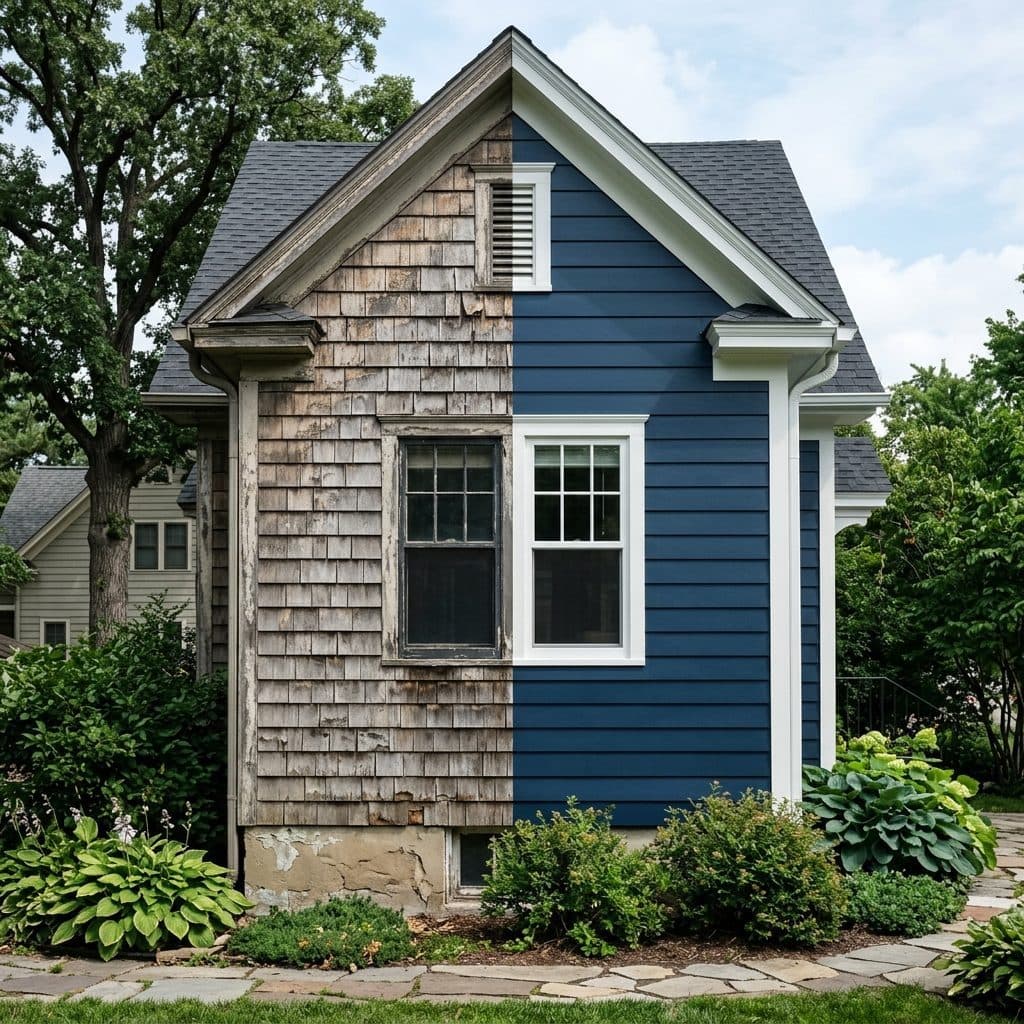
Most sources cite a national range of 5 to 10 years for exterior paint. In the Twin Cities, Minnesota's freeze-thaw winters push most materials toward the shorter end of that range.
Key Takeaways
The Range for Exterior Paint Longevity in Minnesota
How long does exterior paint last? Most national sources land on 5 to 10 years for a professionally applied job. In the Twin Cities, that range narrows. Most well-prepped exterior paint here holds 5 to 8 years before it needs real attention, and materials that lean toward the shorter end nationally often land even shorter once a Minnesota winter gets involved.
The gap comes down to one thing: Minnesota does not just get cold, it cycles between freezing and thawing over and over through the winter. That repeated expansion and contraction is harder on a paint film than a single deep freeze would be.
Exterior Paint Lifespan by Material in Minnesota
Different siding materials hold paint differently, and Minnesota's climate narrows the gap between the best and worst performers compared to a milder state.
| Material | National Range | Minnesota-Adjusted Range | Why |
|---|---|---|---|
| Wood siding | 5-7 years | 4-6 years | Wood moves with moisture and temperature, so freeze-thaw cycling accelerates cracking at the grain. |
| Stucco | 6-10 years | 5-8 years | Handles paint well, but hairline cracks let winter moisture in behind the film. |
| Vinyl siding | 8-10 years | 7-9 years | Durable, but repeated cold snaps can make paint on vinyl more brittle over time. |
| Aluminum siding | 5-10 years | 5-8 years | Holds paint reasonably well but shows fading and chalking under Minnesota's summer UV swing. |
| Fiber cement | 8-12 years | 7-10 years | One of the more freeze-thaw resistant materials, still benefits from quality prep and product. |
| Painted brick | 15-20 years | 15-20 years | The exception. Brick's density resists freeze-thaw damage far better than other sided materials. |
Why Minnesota Winters Shorten Paint Life?
Cold alone is not what damages a paint job. It is the cycling between freezing and thawing that does the real work. Water finds its way into hairline cracks and joints, freezes, expands, and pushes the paint film apart. Then it thaws, the crack closes slightly, and the process repeats the next cold snap. A single hard freeze does far less damage than dozens of freeze-thaw cycles across a winter.
Minnesota's climate is a documented case study in this pattern. Research from the Minnesota Department of Transportation on freeze-thaw cycling confirms that freeze-thaw events are a real, measured feature of Minnesota winters, and that the state's winters have been warming over the past 40 years even as freeze-thaw cycling remains a factor at the surface level. For more on how this plays out across siding, trim, and other exterior surfaces, see how Minnesota weather damages exteriors.
Lifespan of Exterior Paint On Brick House
Painted brick is the exception to nearly every rule in this article. Where wood and vinyl siding wear down within a handful of years, a properly applied brick paint job can hold 15 to 20 years, even in a Minnesota climate. Brick's density and low permeability make it far more resistant to the freeze-thaw damage that shortens paint life on other materials.
Older Twin Cities neighborhoods, including St. Paul's Cathedral Hill and Crocus Hill areas, carry a lot of original brick housing stock, which means this is a common question for homeowners in those areas specifically. One caution worth knowing: brick needs to breathe. It naturally moves moisture through its surface, and the wrong paint or an improperly prepped surface can trap that moisture instead of letting it escape, which shortens lifespan and can cause damage inside the wall over time. That is why product choice and prep matter even more on brick than on other materials.
Signs Your Exterior Paint Is Past Its Life
A few signs show up before a full repaint becomes urgent. Chalking, where a powdery residue rubs off on your hand, means UV exposure has broken down the paint's binders. Cracking or crazing, especially on wood trim, means the film has lost its flexibility. Peeling and bubbling almost always point to moisture trapped behind the paint rather than a failure of the paint itself. Caulk that has pulled away from joints is often the earliest sign, since open joints let winter moisture in long before the paint itself looks obviously worn.
What Actually Extends the Life of Your Paint Job?
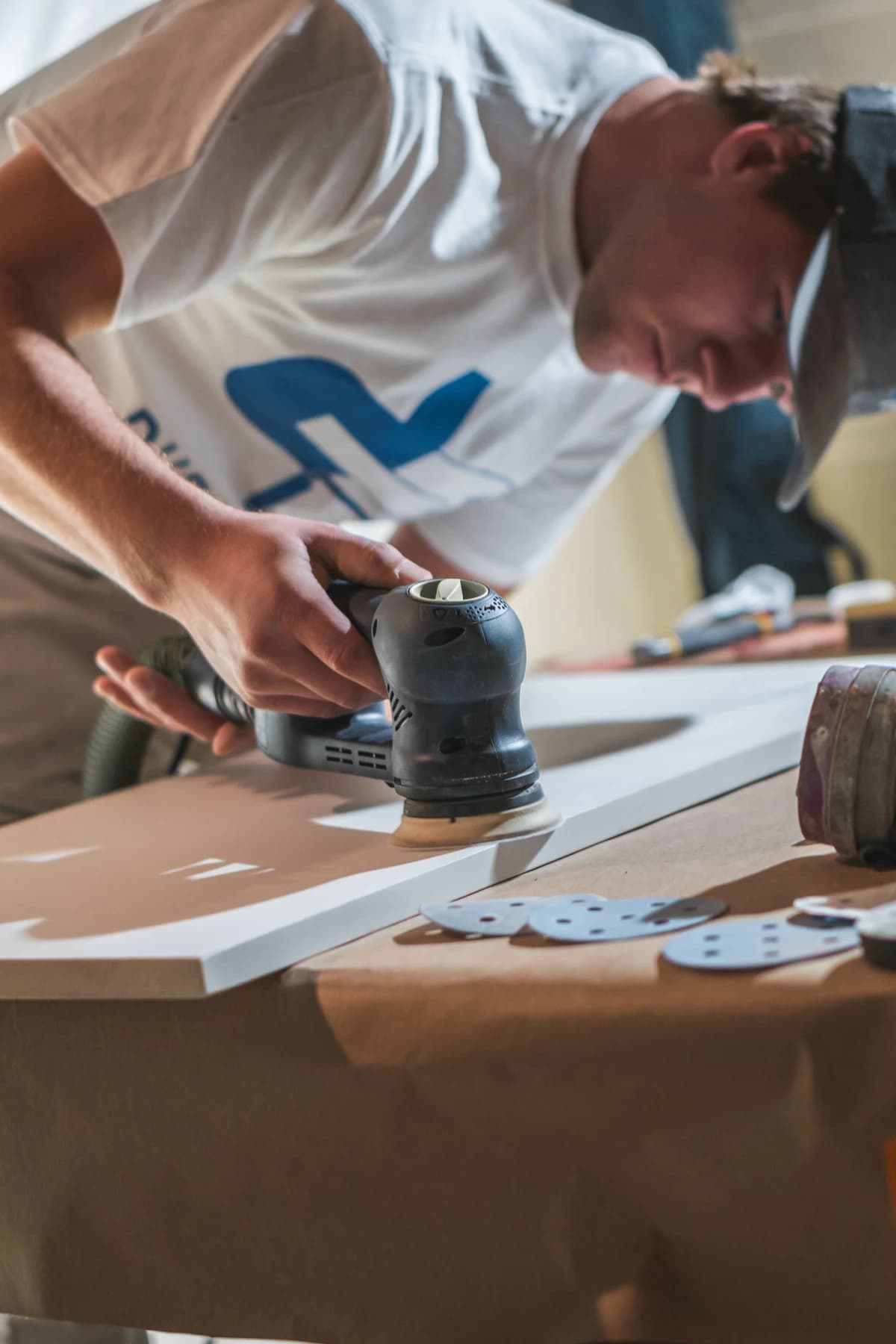
Prep is roughly 80% of the price on a residential exterior repaint, and it is also roughly 80% of what determines how long the paint lasts. Washing the surface, scraping every failing edge back to sound material, priming bare wood correctly, and caulking open joints before the first coat goes on matter more than which brand of paint ends up in the can. Two finish coats outperform one, and lighter colors resist UV fading longer than dark ones on south and west-facing walls.
When It's Time to Repaint?
If several of the signs above apply to your home, or if it has been seven or eight years since the last full exterior repaint, it is worth getting a professional read before winter arrives rather than after damage sets in. See current exterior painting cost ranges for the Twin Cities for a sense of what the project typically runs, and start with Durahome's exterior house painting service for a free estimate and a written scope.
One Group Text: the production manager, owner, estimator, and crew foreman are in one thread with you from day one.
The Same Crew: around 90% painter retention year over year, with most painters carrying close to a decade of experience.
Sherwin-Williams: premium products used throughout every exterior project, matched to your siding material.
2-5 Year Written Warranty: scaled to the scope of the project, so if something comes up, Durahome comes back.
Durahome estimates on the high side over the phone and often comes in lower once a project manager has actually walked the property. The written estimate is exact, and it is always free. For material-specific pricing, see the house painting cost guide for Minnesota.
A Paint Job Built for Minnesota Winters
Exterior paint lifespan in Minnesota comes down to material, prep, and how many freeze-thaw cycles the surface has to survive each winter. Wood and vinyl wear faster here than the national averages suggest, brick holds up far longer than almost anything else, and the paint job that gets the prep right the first time is the one that actually reaches its full lifespan.
If your exterior is showing its age, request a free estimate from Durahome and get an honest read on what your home actually needs before another winter takes its toll.
Frequently Asked Questions
How long does exterior paint last in Minnesota?
Most well-prepped exterior paint holds 5 to 8 years in the Twin Cities, shorter than the 5 to 10 year national average, due to freeze-thaw cycling through the winter.
how long does paint last on brick house?
Properly applied paint on brick typically holds 15 to 20 years, even in Minnesota's climate, since brick resists freeze-thaw damage far better than wood, vinyl, or aluminum siding.
Does darker paint fade faster?
Yes. Dark colors absorb more UV energy than light colors, which speeds up fading and chalking, especially on south and west-facing walls that get the most direct sun.
Is 5 years too soon to repaint?
Not necessarily. Wood siding, especially on sun-exposed walls, can show real wear by year five in Minnesota. A professional estimate can confirm whether it is prep-related wear or simply time for a fresh coat.
What paint holds up best in a cold climate like Minnesota's?
Quality 100% acrylic latex paints flex with temperature swings better than lower-grade options, which matters more here than in a climate without repeated freeze-thaw cycling.